
Storyworthy by Matthew Dicks
STORYBOOK TAKEAWAYTIPS FOR A NEW TEACHER
4/26/20252 min read
One sentence summary:
This book shares tips on how to tell better stories by focusing on real, personal transformation — making every day storyworthy.
Some key ideas:
Be authentic and focus on your experience.
Audiences are drawn to you, not just events. Whether it’s food, travel, or someone else’s story — sharing your perspective is what makes it relatable and worth hearing.Every good story has a relatable 5-second moment of personal change.
Ignore the big distractor e.g. almost dying, which not everyone relates to. Focus on the subtle shifts in thoughts or feelings you had after the moment of personal change that most people can relate to. That moment becomes your ending. Start your story as close to that moment as possible.Build story momentum and stakes through simple techniques.
Start with action. Use Elephants to raise stakes, Backpacks to show intention, and Breadcrumbs to build tension. Compress time, ghost irrelevant characters, and don’t rush redemption — your flaws are what people connect with.
My thoughts:
"What does storytelling have to do with a good lesson?"
Everything, I think. Many books have shared that effective teachers share stories. However, as a person who is not introverted and not very animated, I often struggle to share my stories in interesting ways. This book provided some small, actionable tips to help me find stories to tell, and how to tell them. It was enlightening to learn the amount of effort professional storytellers have to put in to create an endearing story. This made it feel that, hey, storytelling is a skill that can, and should be learnt by teachers.
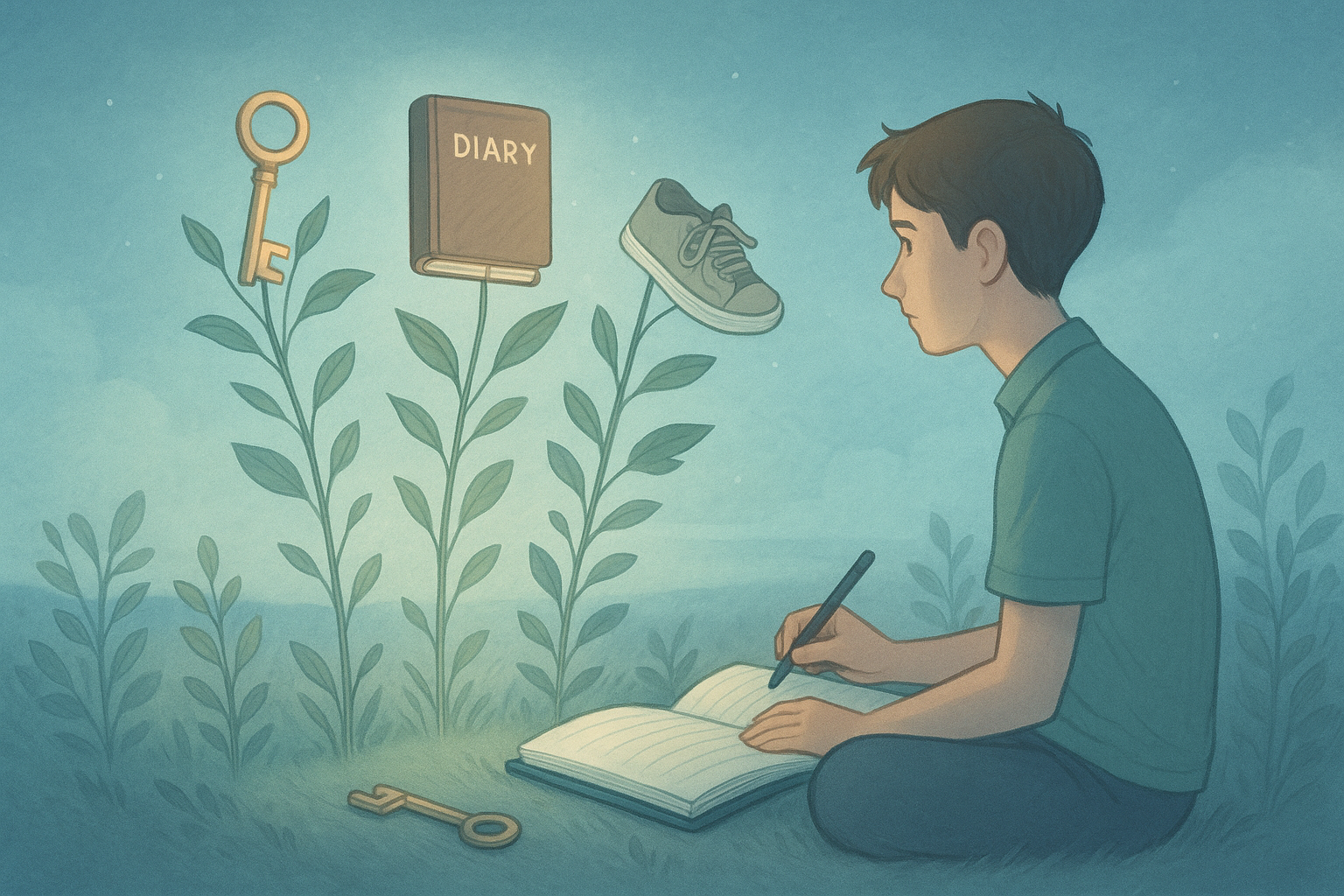
I really loved the little daily assignment he has for himself called — Homework for Life. As a reflection prompt, he asks himself, “If I had to tell a story from today, what would it be?”. Since then, I have created my own Google Form with a shortcut on my phone to help make it easier to record any small encounter which I felt was worth sharing to others about in the day. Since starting, I have my days where I have slacked off and not written a story for the day. But looking back, the days where I did write something down, proved to be such an enjoyable trip down memory lane. You don't have to be perfect, but you should try to stay consistent.
Finally, his book touched on the concept that in storytelling, humour is optional but stakes are not — which was so relatable to my learnings as a beginning teacher. You don’t need to be funny all the time, but what truly gets students interested is when they emotionally invested in the story and can see how it relates to the hardships and successes that they face in their daily lives.
Disclaimer: This blog post is a summary of my written takeaways by ChatGPT and the cover image is generated by using the takeaway as the prompt in ChatGPT.