
Weeks of a Beginning Teacher — Week 4: Be Prepared
JOURNALLING & LIFE STUFFTIPS FOR A NEW TEACHER
4/18/20252 min read
Takeaways in 10s
Short weeks can still feel hectic – A lighter timetable doesn’t always mean a lighter stress.
Structure helps struggling students – Without the right scaffolding, students disengage—not out of mischief, but confusion.
Preparation is everything – When I fail to plan well, I leave my students (and myself) struggling.
This Week in My Teaching Journey
This was a short week—just 2 full teaching days. Monday was a free day, Thursday was home-based learning and Friday is a public holiday. Yet, despite the shorter schedule, I still felt unusually exhausted and unprepared.
Some of my lessons didn’t go well. My Sec 1 and Sec 3 classes, especially, saw flops that I now realise were due to insufficient planning. I had overestimated what my students could manage on their own and underestimated the support they needed. When the task felt too difficult, they zoned out—not because they didn’t care, but because they didn’t know where to start. That was what I later realised while reading the book 'Never work harder than your students'.
This made me about my role of structure and scaffolding. If students aren’t responding, it’s often not about attitude. It’s about clarity, direction, and their feelings of self competence. As a beginning teacher, I really felt at a lost that I did not have enough alternative ways to teach the same concept. This is something to keep in mind when planning future lessons, and to always be prepared to provide more scaffolding.
On top of that, I’m learning how much mental energy goes into just being present in the classroom. Some days, I really do feel like I’m working harder than my students. And that’s a red flag—not because I’m unwilling to put in the work, but because it signals a mismatch somewhere in the way I design learning experiences.
One small win this week: I finally managed to get some students to stay back for additional support, which I’ll build into a weekly routine.
For the next week, I hope to enact logical consequences that help students — but not punish them for those who do not turn up my work or disrupt learning. I’m also slowly finding the courage to say no to some social things to create the time I need to plan, rest, and invest in my personal relationships.
If I Could Tell My Younger Self One Thing…
“A short week without structure is still a long week.”
Even when you think there’s “less to do,” planning still matters. It’s easy to fall into the trap of underpreparing for lighter weeks, but that only creates more stress.
Don’t be afraid to simplify when you’re tired—but don’t compromise on clarity. The best lessons aren’t always flashy. They’re often the ones where students know exactly what to do, how to do it, and feel supported doing it.
You’re not failing because you’re tired. You’re tired because you care. So take the time to rest and reset. That’s not laziness. That’s sustainability.
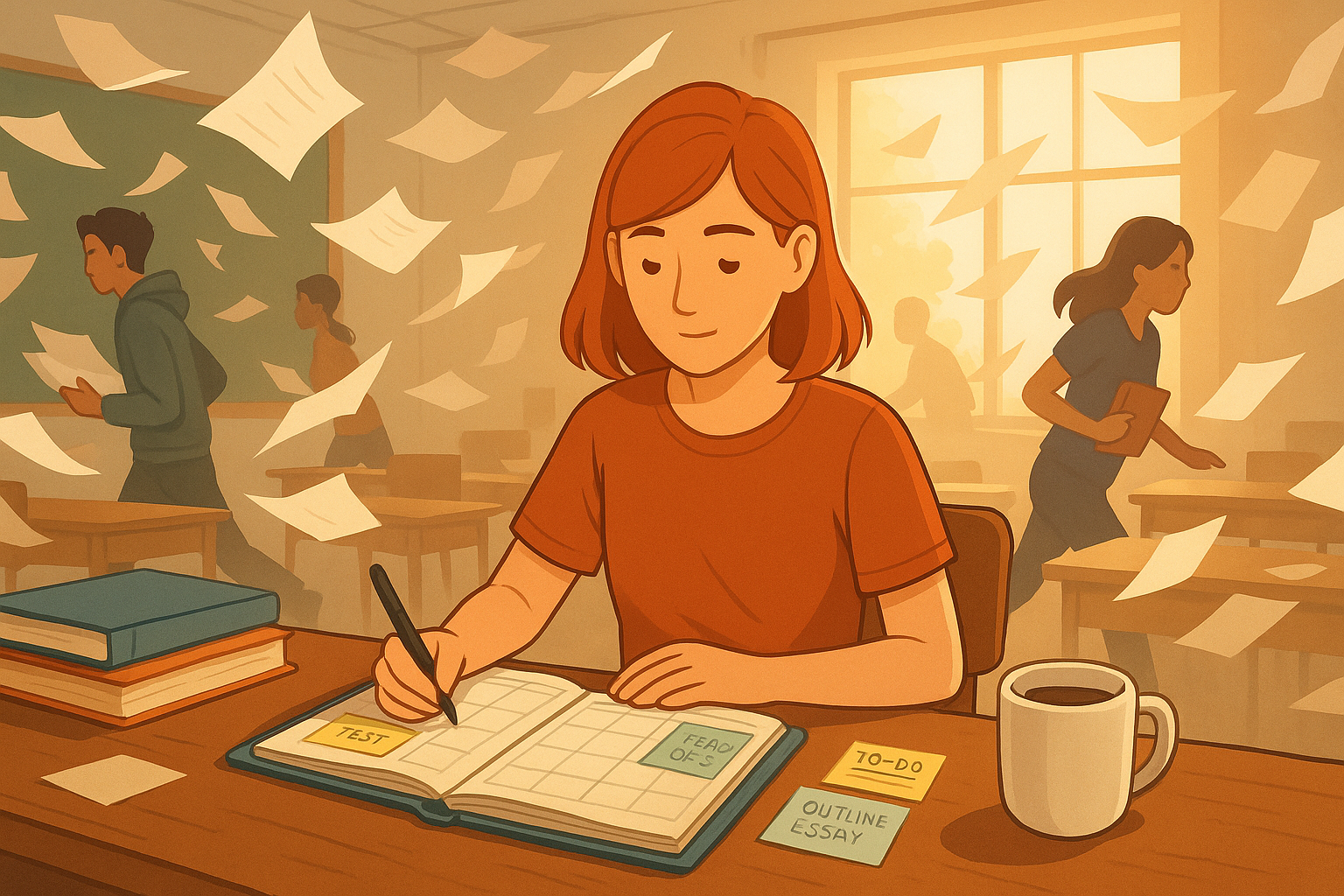
Disclaimer: This blog post is a summary of my written takeaways by ChatGPT and the cover image is generated by using the takeaway as the prompt in ChatGPT.